s h o r t f o l i o . . .


https://farm6.staticflickr.com/5580/14769093690_4cb4c5afa8_o.jpg
                   
That's only my listed, work in progress and practice personal work, others are not to be published due to copyright ownership.
Showing posts with label Christmas. Show all posts

Tuesday, December 24, 2024

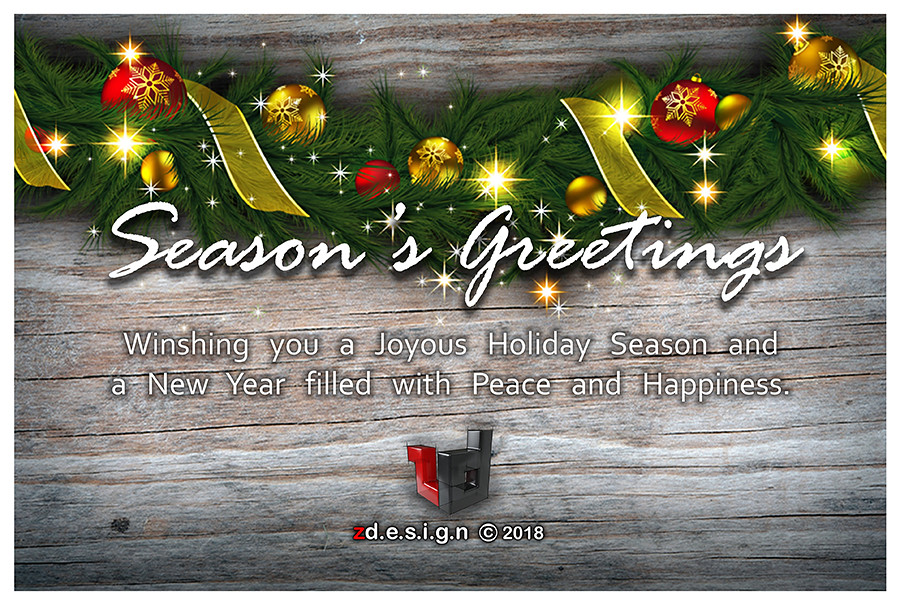
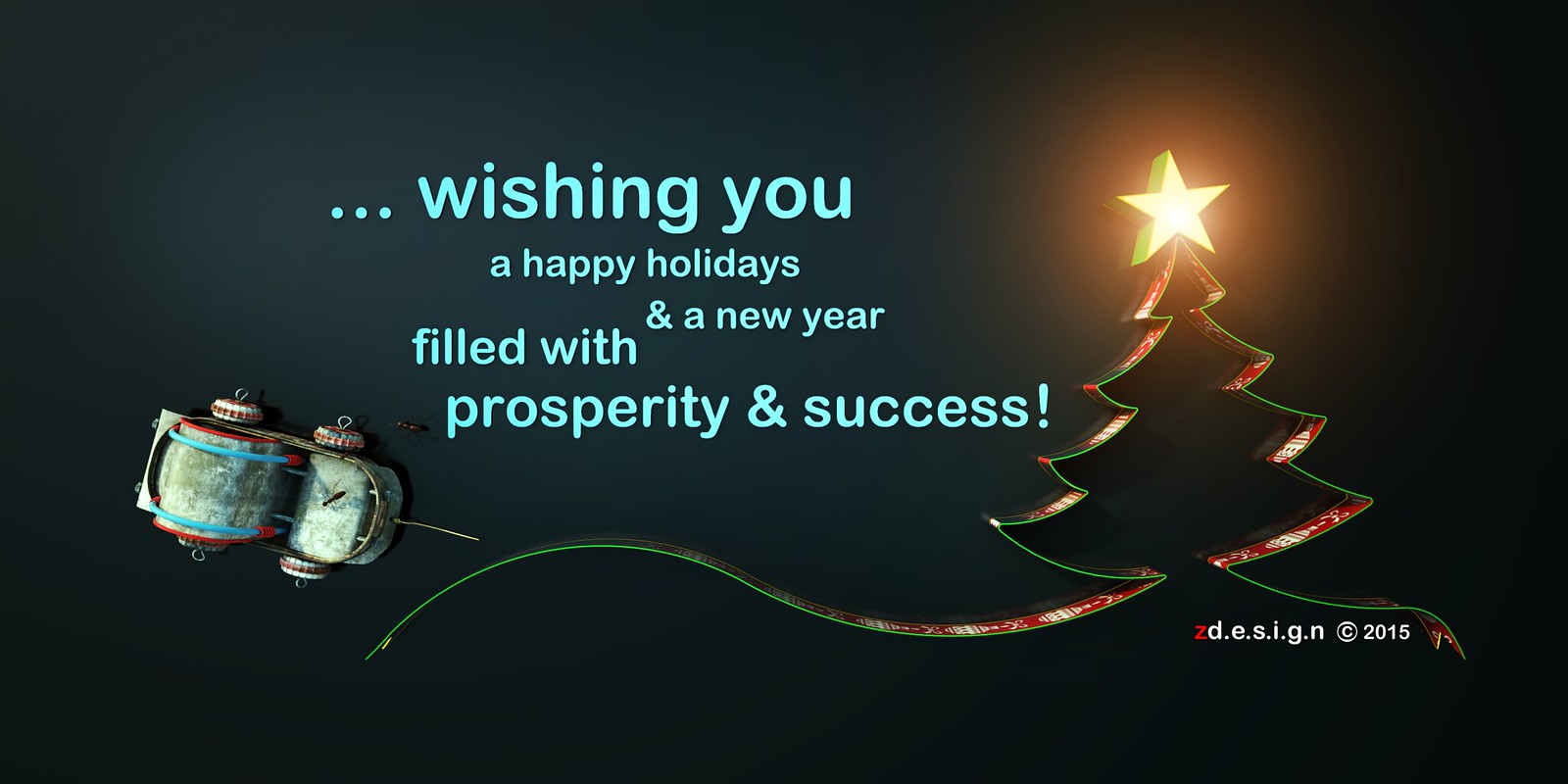
 "Wishing you the merriest of Christmases and prosperous new year!"

"May your Christmas be filled with only good things."

Monday, December 12, 2016

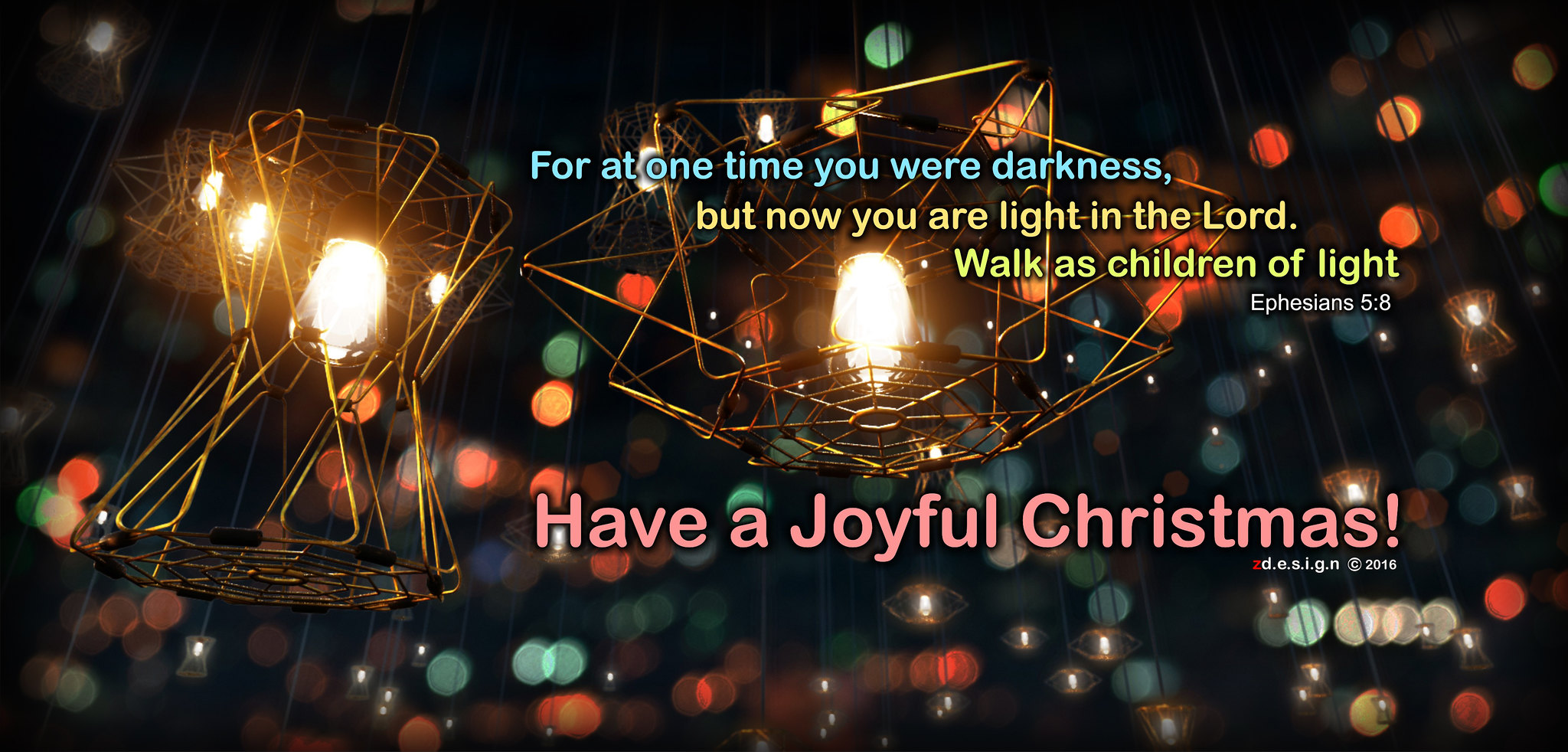
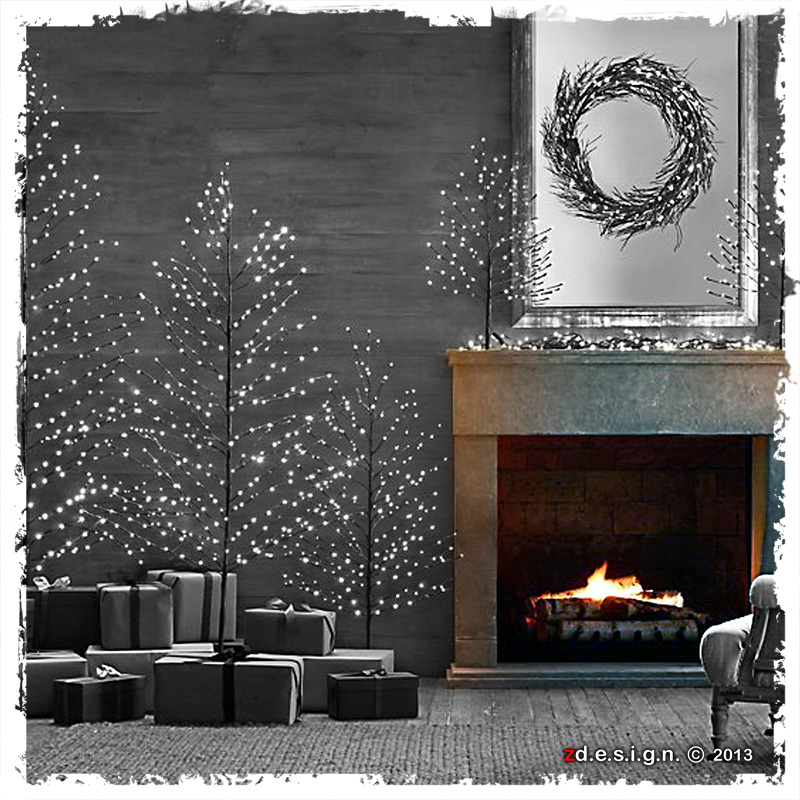
HAVE A JOYFUL CHRISTMAS . . .

For at one time you were darkness, but now you are light in the Lord. Walk as children of light 


Ephesians 5:8

Thursday, December 18, 2014

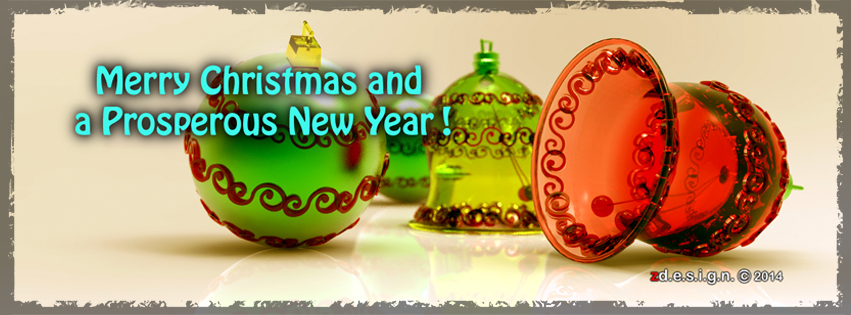
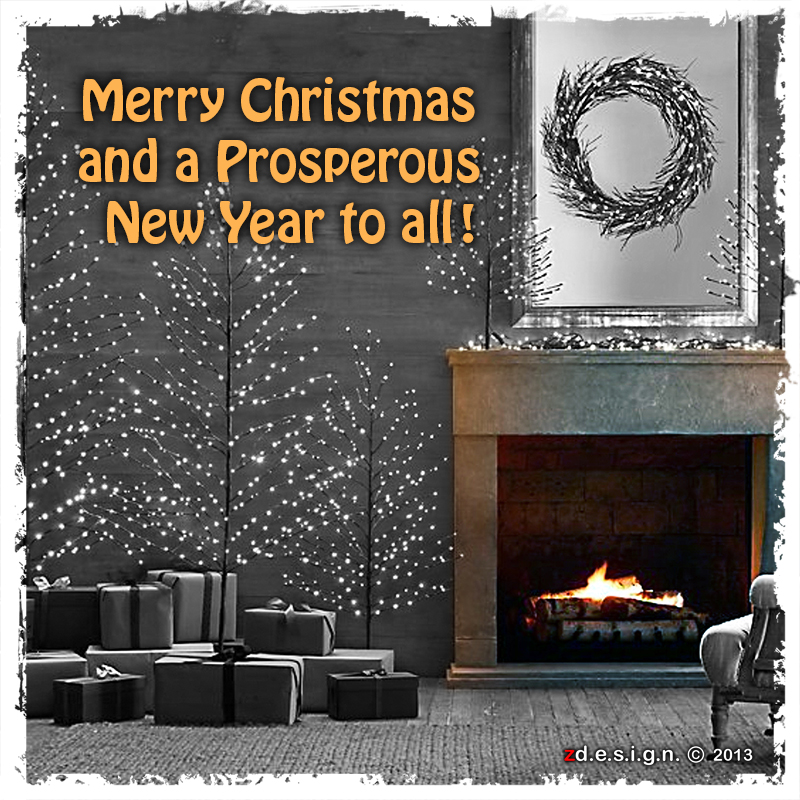
MERRY CHRISTMAS & PROSPEROUS NEW YEAR TO ALL . . .

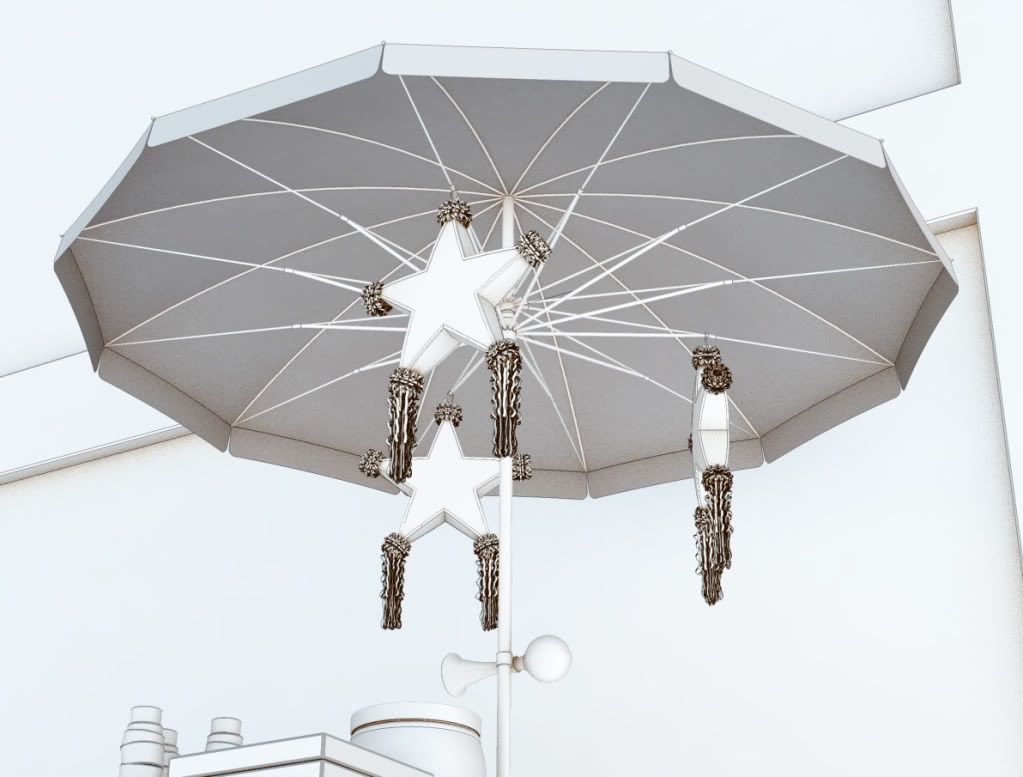
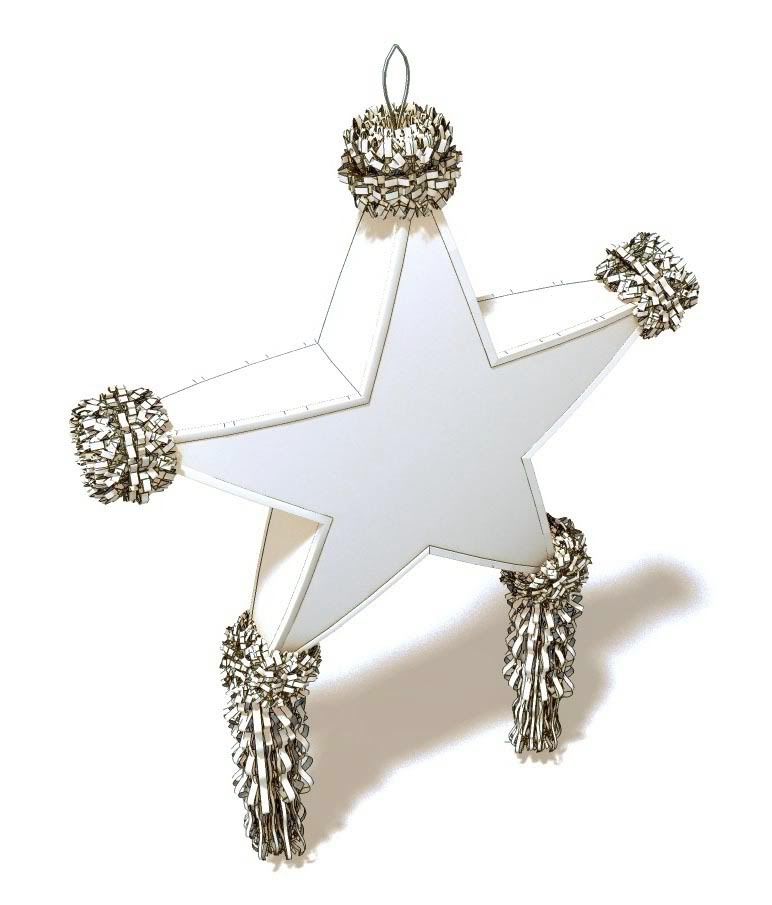
process : model in sketchup | keysgot render | photoshop | filter purge
https://farm8.staticflickr.com/7495/15920693105_6a9dd50ebb_o.jpg
my 3d model - HERE

Saturday, December 1, 2012

Thursday, December 8, 2011

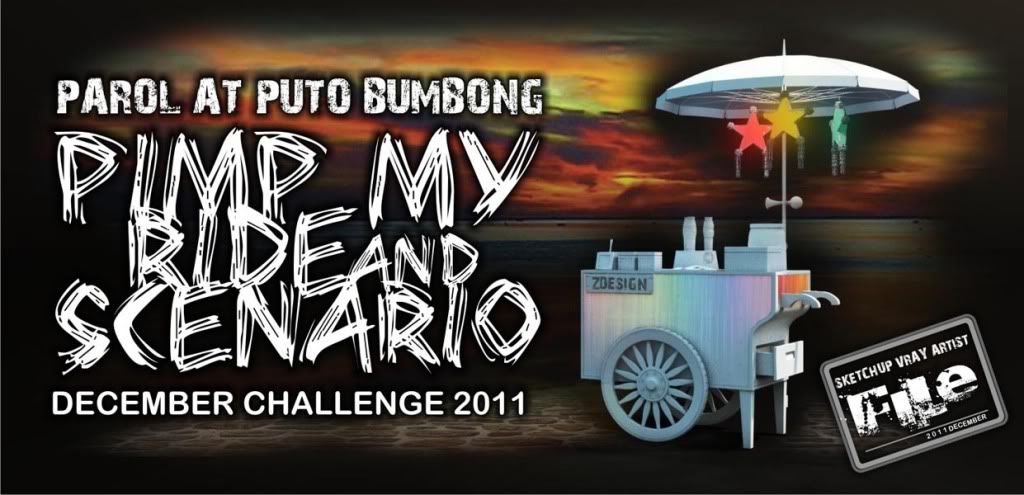
SVA December Challenge . . .

Challenge . . .RULES HERE
Join us in our 4th rendering Challenge... To join visit and join our Facebook Group here.

Tuesday, December 6, 2011

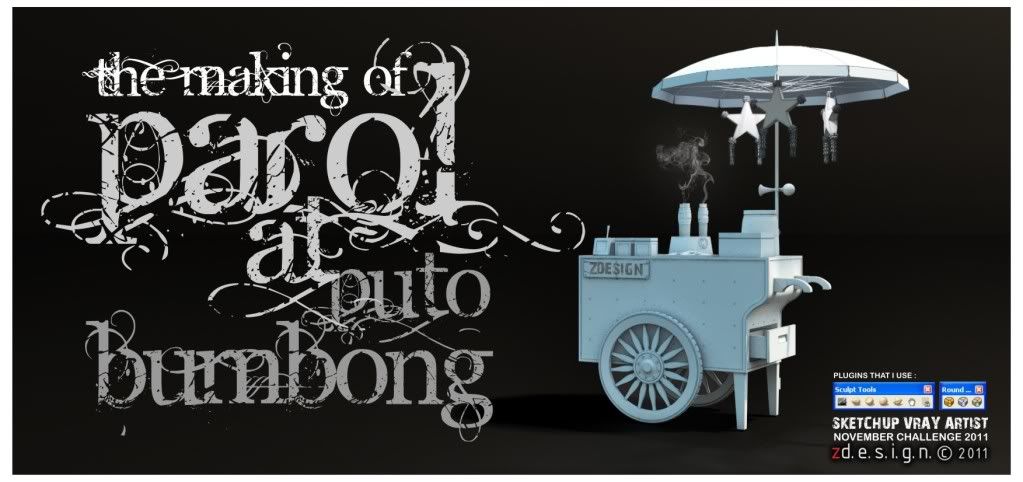
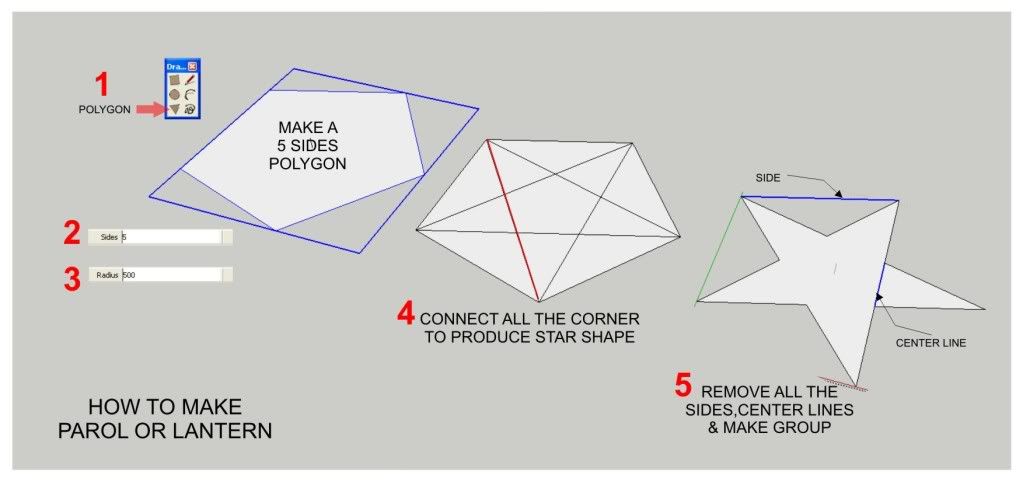
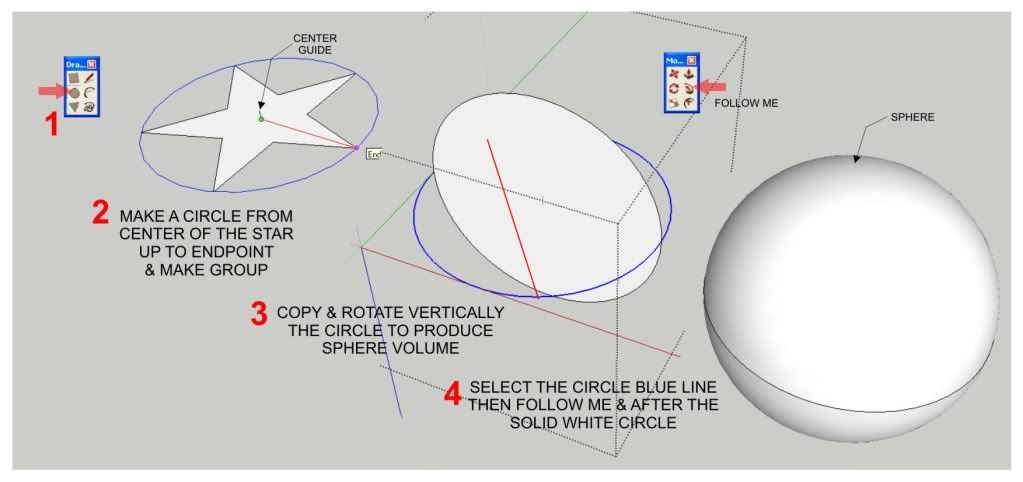
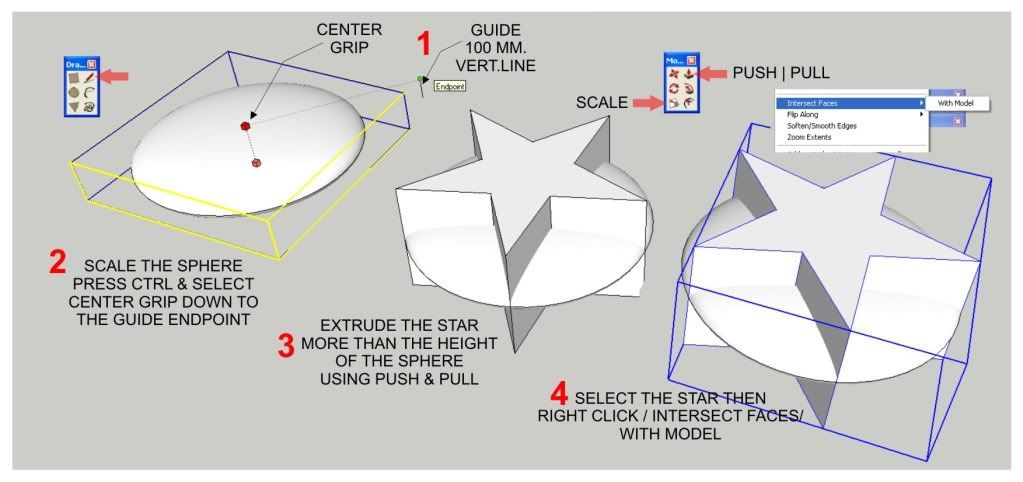
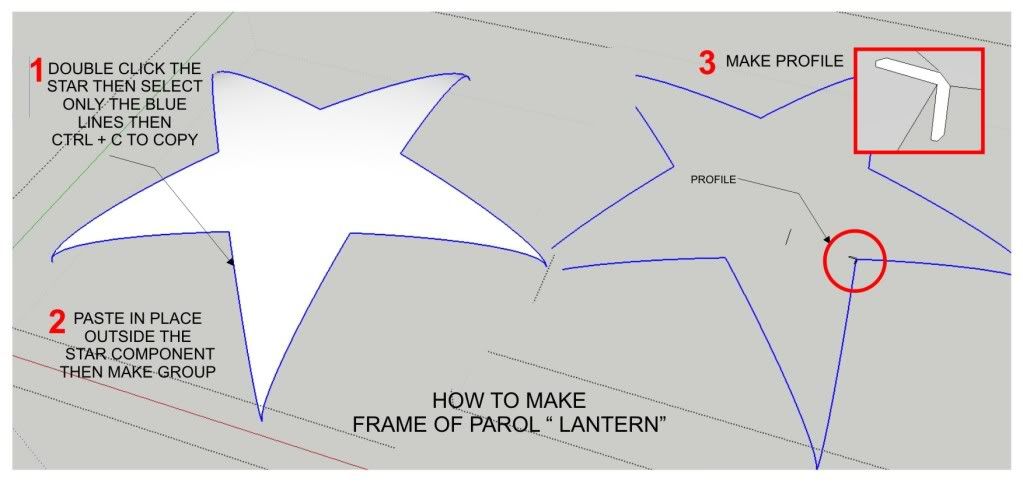
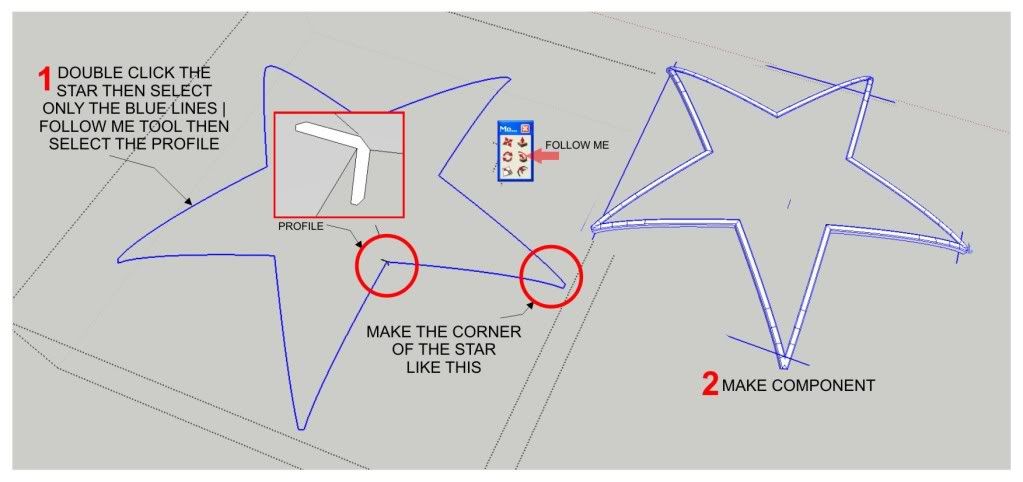
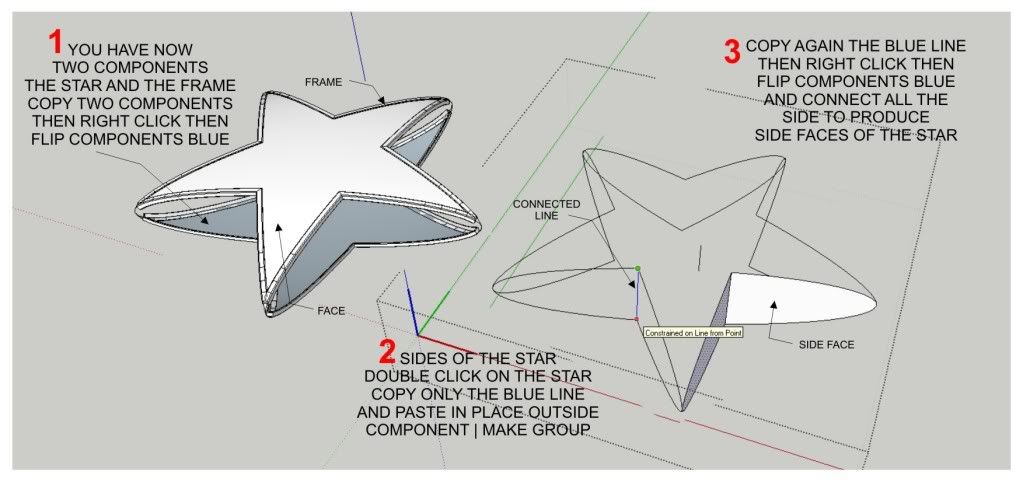
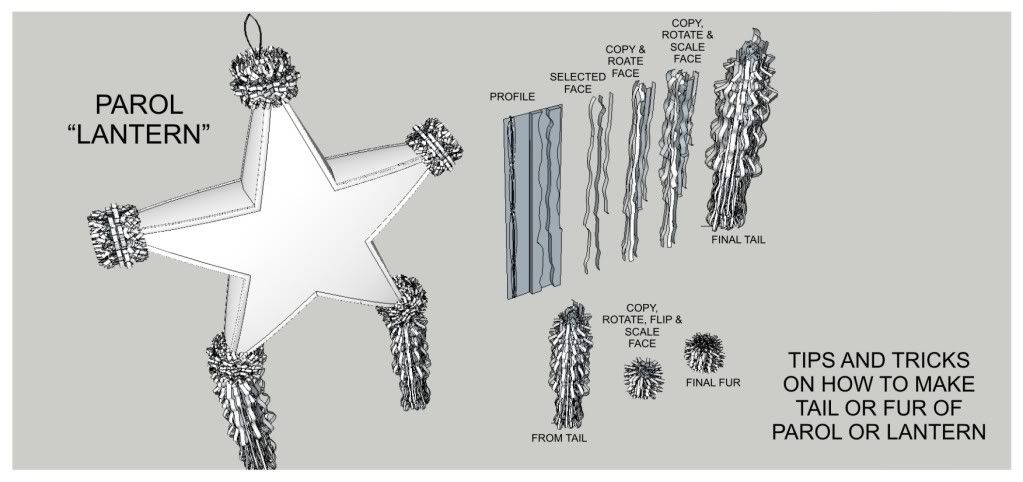
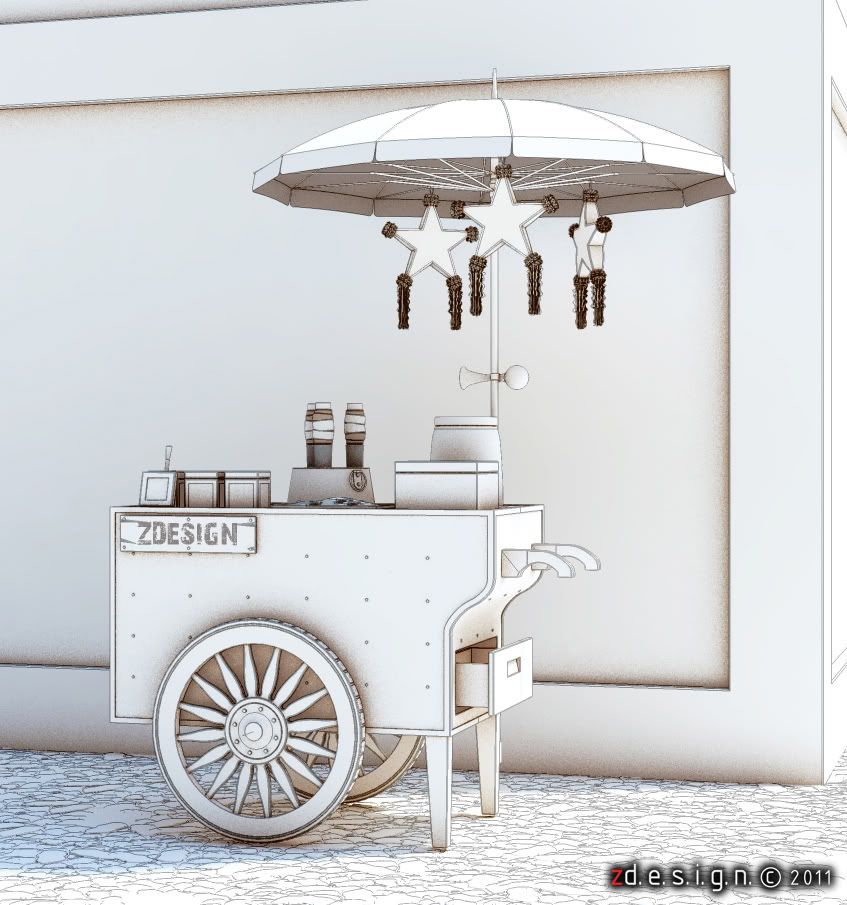
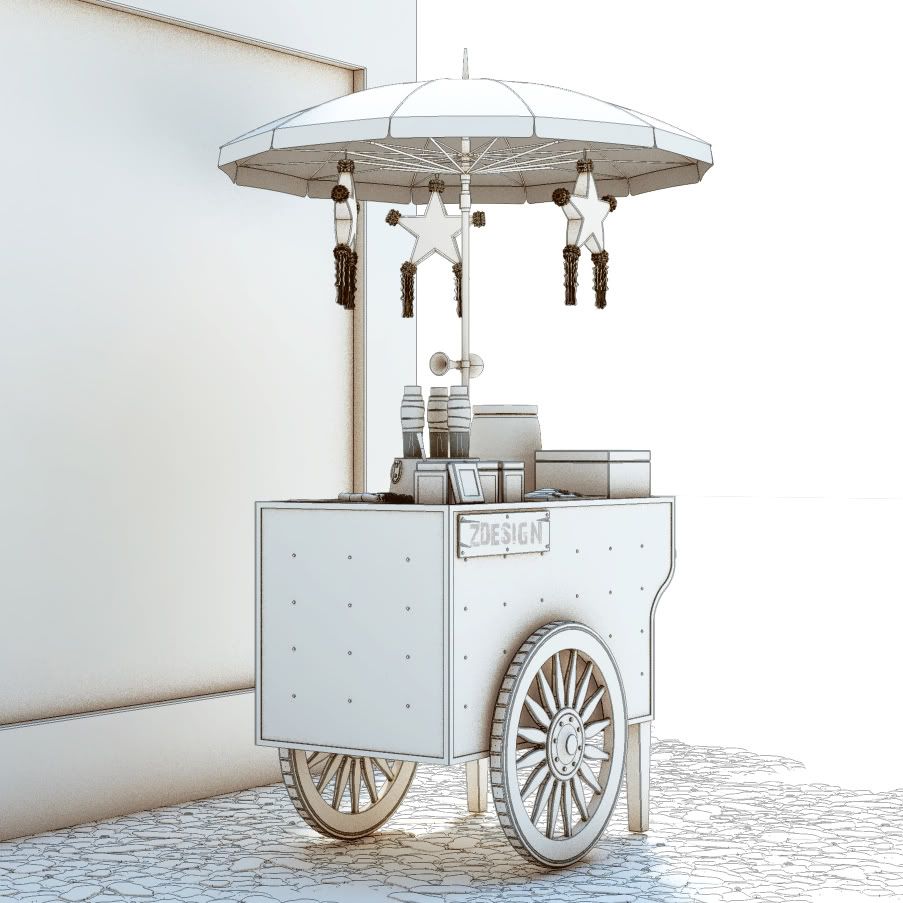
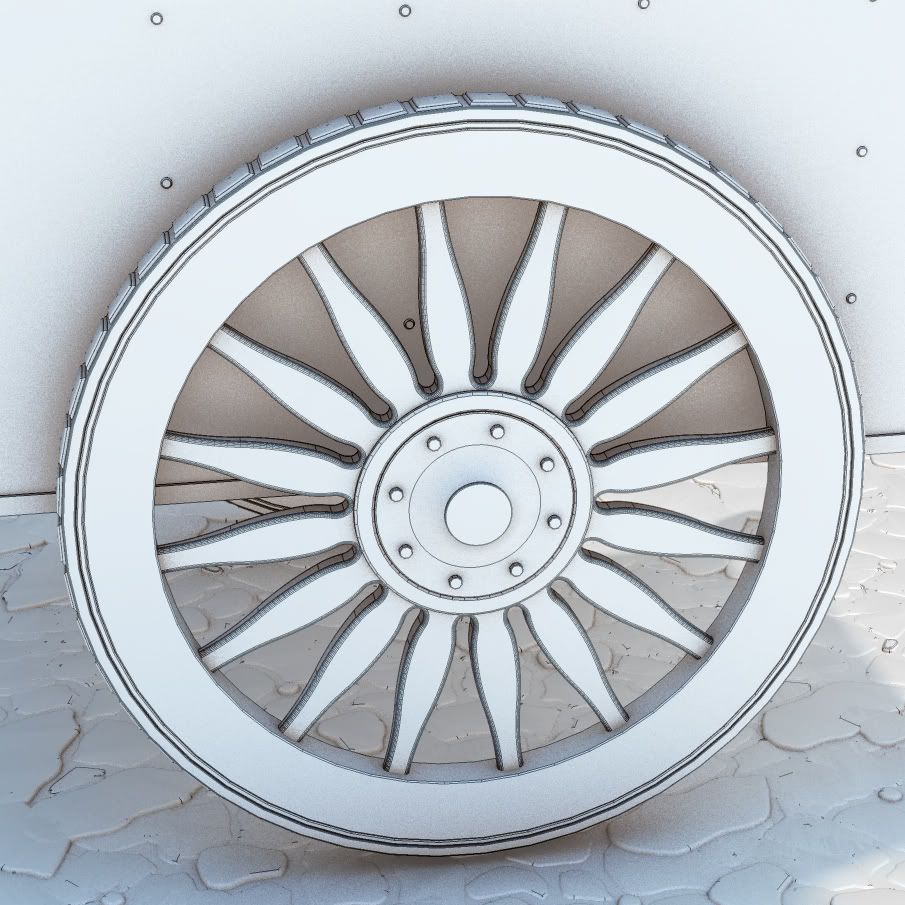
The making of Parol at Puto Bumbong . . . SVA Challenge Winner

The parol or lantern  is one of the most iconic and beloved symbols of the holiday. The earliest parols were traditionally made from simple materials like bamboo sticks, Japanese rice paper (known as "papel de Hapon") or crepe paper, and a candle or coconut oil-lamp for illumination; although the present day parol can take many different shapes and forms. The most base form of the lantern is a 5-pointed star with two "tails" at the lower two tips. Other variations are 4, 8, 10 pointed stars with the rarer 6, 16 and so on pointed stars. The parol is also traditionally made of lacquered paper and bamboo, but others are made of cellophane, plastic, rope, capiz shell and a wide variety of materials. Making parols is a folk craft, and most Filipino kids have tried their hand at making a parol at one time or another, maybe as a school project or otherwise. The most basic parol can be easily constructed with just ten bamboo sticks, paper, and glue. These lanterns represent the Star of Bethlehem that guided the Magi, also known as the Three Wise Men or Three Kings (Tatlong Hari in Tagalog).

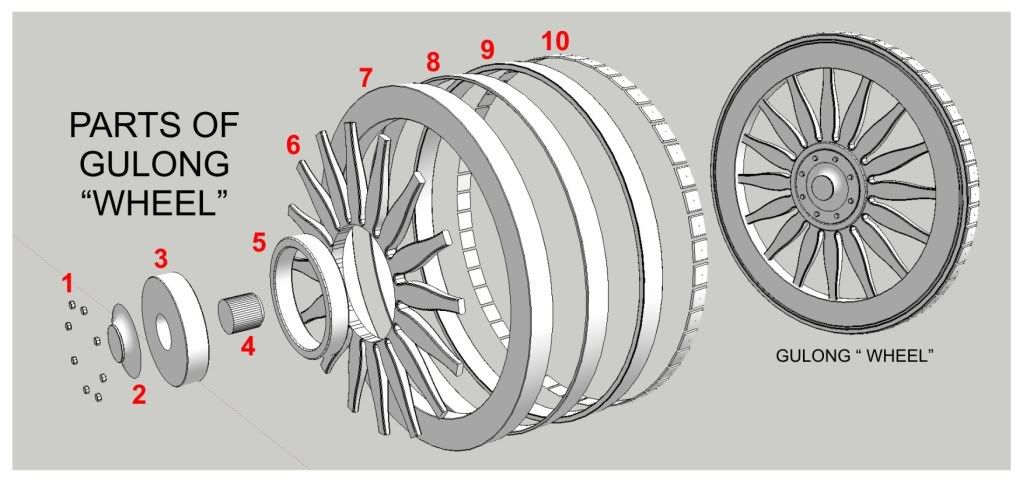
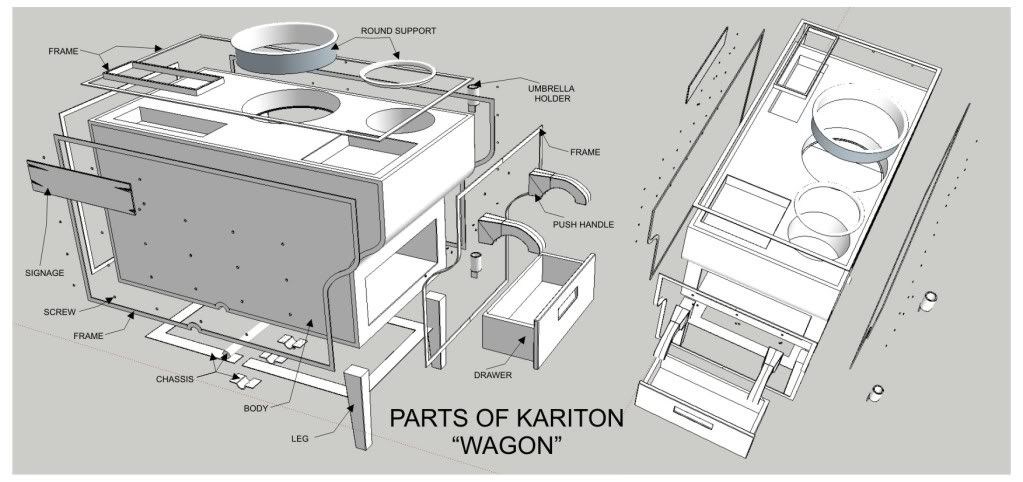
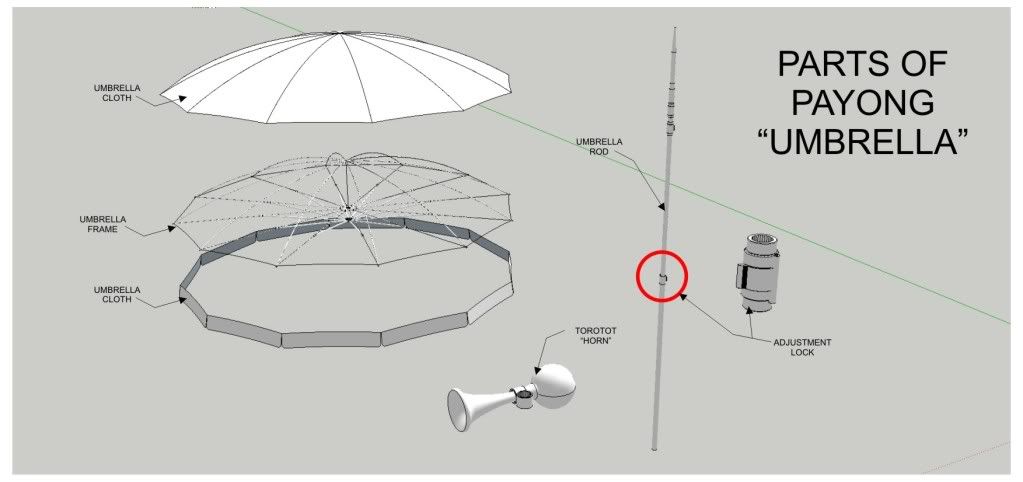
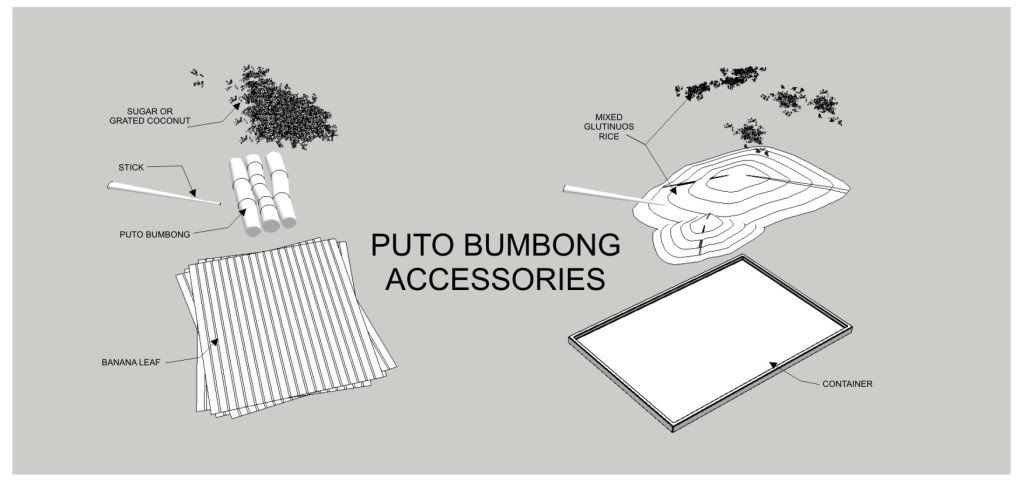
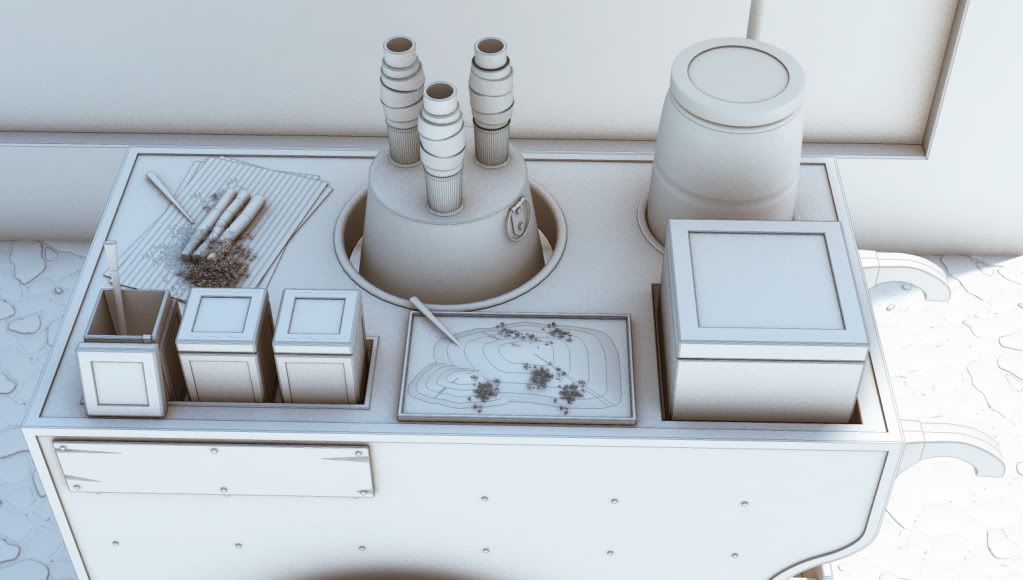
Puto Bumbong, Traditionally made from a special variety of heirloom sticky or glutinous rice called Pirurutong which has a distinctly purple color, soaked in salted water and dried overnight and then poured into bumbong or bamboo tubes and then steamed until done or steam rises out of the bamboo tubes. It is served topped with butter or margarine and shredded coconut mixed with sugar.
Puto bumbong is the most sought after delicacies at Christmas time. During the simbang gabi or the Christmas Eve mass, people would line up to their favorite stalls outside the church just to have a taste of this favorite Pinoy delicacies.


PDF :  HERE

CHECK FLASH ANIMATION : HERE

SKETCHUP MODEL :    VERSION - 6     |     VERSION - 8

...advance MERRY CHRISTMAS TO ALL !!!
f

Monday, December 5, 2011

SVA November Challenge Winner . . .

 For more info - CHECK HERE
Congratulations to all SVA November Challenge Winners. This is a pure SketchUp Modeling Challenge.

Sunday, December 4, 2011

Parol "Lantern" - (WIP) Christmas in the Philippines...3 (final model)

The parol or lantern  is one of the most iconic and beloved symbols of the holiday. The earliest parols were traditionally made from simple materials like bamboo sticks, Japanese rice paper (known as "papel de Hapon") or crepe paper, and a candle or coconut oil-lamp for illumination; although the present day parol can take many different shapes and forms. The most base form of the lantern is a 5-pointed star with two "tails" at the lower two tips. Other variations are 4, 8, 10 pointed stars with the rarer 6, 16 and so on pointed stars. The parol is also traditionally made of lacquered paper and bamboo, but others are made of cellophane, plastic, rope, capiz shell and a wide variety of materials. Making parols is a folk craft, and most Filipino kids have tried their hand at making a parol at one time or another, maybe as a school project or otherwise. The most basic parol can be easily constructed with just ten bamboo sticks, paper, and glue. These lanterns represent the Star of Bethlehem that guided the Magi, also known as the Three Wise Men or Three Kings (Tatlong Hari in Tagalog).

Puto Bumbong, Traditionally made from a special variety of heirloom sticky or glutinous rice called Pirurutong which has a distinctly purple color, soaked in salted water and dried overnight and then poured into bumbong or bamboo tubes and then steamed until done or steam rises out of the bamboo tubes. It is served topped with butter or margarine and shredded coconut mixed with sugar.
Puto bumbong is the most sought after delicacies at Christmas time. During the simbang gabi or the Christmas Eve mass, people would line up to their favorite stalls outside the church just to have a taste of this favorite Pinoy delicacies.

WIP 3d model images: cgpinoy


...advance MERRY CHRISTMAS TO ALL !!!

SKETCHUP MODEL :    VERSION - 6     |     VERSION - 8

Sunday, November 13, 2011

Parol "Lantern" - (WIP) Christmas in the Philippines...2

The parol or lantern  is one of the most iconic and beloved symbols of the holiday. The earliest parols were traditionally made from simple materials like bamboo sticks, Japanese rice paper (known as "papel de Hapon") or crepe paper, and a candle or coconut oil-lamp for illumination; although the present day parol can take many different shapes and forms. The most base form of the lantern is a 5-pointed star with two "tails" at the lower two tips. Other variations are 4, 8, 10 pointed stars with the rarer 6, 16 and so on pointed stars. The parol is also traditionally made of lacquered paper and bamboo, but others are made of cellophane, plastic, rope, capiz shell and a wide variety of materials. Making parols is a folk craft, and most Filipino kids have tried their hand at making a parol at one time or another, maybe as a school project or otherwise. The most basic parol can be easily constructed with just ten bamboo sticks, paper, and glue. These lanterns represent the Star of Bethlehem that guided the Magi, also known as the Three Wise Men or Three Kings (Tatlong Hari in Tagalog).
WIP 3d model images:


Thursday, November 10, 2011

Parol "Lantern" - (WIP) Christmas in the Philippines...1

The parol or lantern  is one of the most iconic and beloved symbols of the holiday. The earliest parols were traditionally made from simple materials like bamboo sticks, Japanese rice paper (known as "papel de Hapon") or crepe paper, and a candle or coconut oil-lamp for illumination; although the present day parol can take many different shapes and forms. The most base form of the lantern is a 5-pointed star with two "tails" at the lower two tips. Other variations are 4, 8, 10 pointed stars with the rarer 6, 16 and so on pointed stars. The parol is also traditionally made of lacquered paper and bamboo, but others are made of cellophane, plastic, rope, capiz shell and a wide variety of materials. Making parols is a folk craft, and most Filipino kids have tried their hand at making a parol at one time or another, maybe as a school project or otherwise. The most basic parol can be easily constructed with just ten bamboo sticks, paper, and glue. These lanterns represent the Star of Bethlehem that guided the Magi, also known as the Three Wise Men or Three Kings (Tatlong Hari in Tagalog).

WIP 3d model images: